The Role of Soft Skills in Today’s Workforce
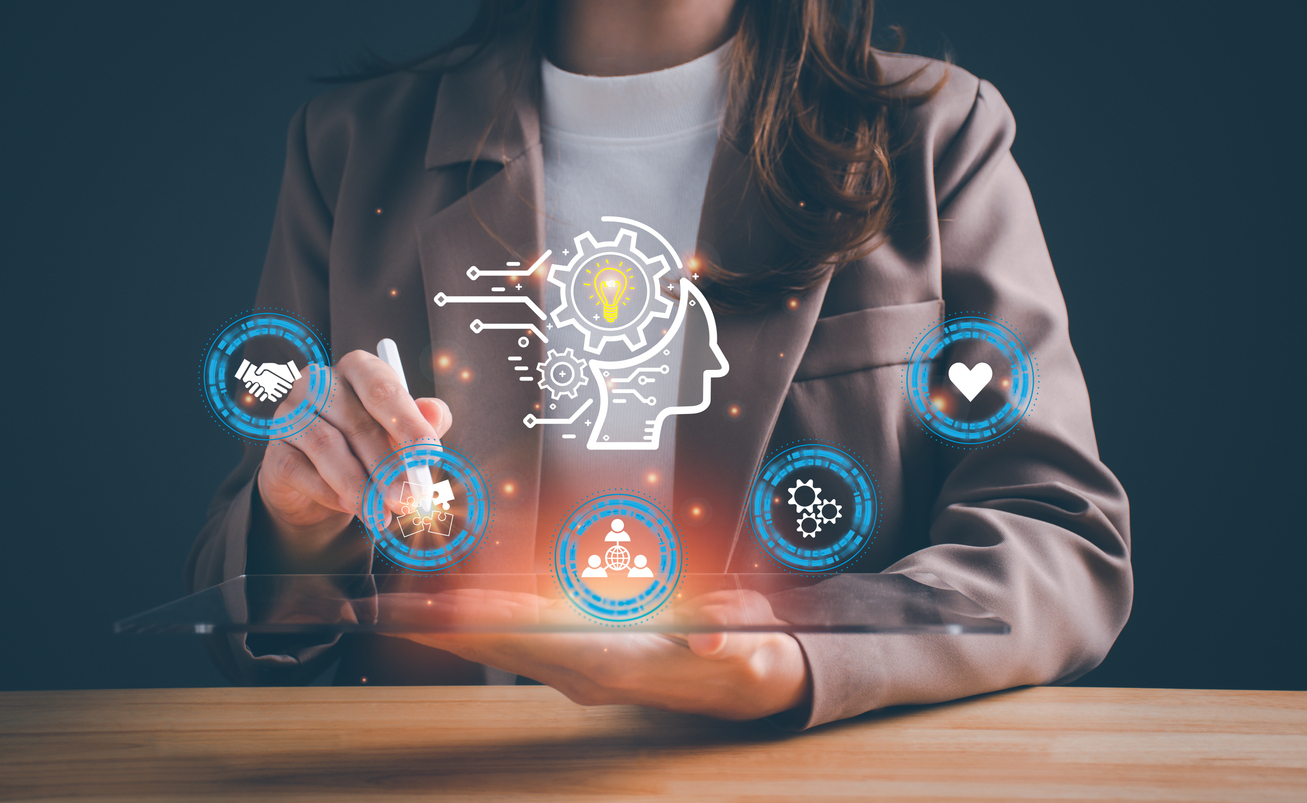
Soft Skills Are Now a Strategic Advantage
Work environments have become more digital, collaborative, and fast-paced. As a result, technical expertise alone is no longer enough to guarantee strong performance. Soft skills define how employees communicate, solve problems, manage pressure, and work with others.
Organizations now expect talent who can adapt to changing priorities, collaborate across functions, and handle ambiguity with confidence. This shift reflects a broader transformation where human-centered capabilities drive long-term competitiveness.
Why Soft Skills Matter for Modern Organizations
- Hybrid work models require stronger communication, self-management, and trust-building.
- AI and automation reduce routine tasks, so uniquely human skills like empathy, creativity, and leadership grow in importance.
- Cross-functional teams perform better when team members approach collaboration with openness, accountability, and emotional awareness.
- Customer-facing roles rely on interpersonal skills and service-oriented thinking to meet rising expectations.
Soft skills influence performance, retention, engagement, and culture. This makes them essential for every organization operating in a rapidly changing environment.
The Most In-Demand Soft Skills Today
1. Communication
Effective communication supports alignment, accelerates decision-making, and reduces unnecessary friction. Written and verbal clarity are now critical across hybrid and global teams.
2. Collaboration
Modern organizations depend on seamless teamwork. Strong collaborators share information, resolve conflicts constructively, and maintain accountability in diverse teams.
3. Adaptability
Markets. tools. and workflows evolve constantly. Adaptable employees embrace change, learn quickly, and sustain productivity during transitions.
4. Emotional Intelligence (EQ)
EQ enhances empathy, self-awareness, and relationship-building. Leaders with high EQ motivate teams better, handle stress more effectively, and create healthier work environments.
5. Critical Thinking and Problem-Solving
These capabilities support innovation and effective decision-making. HR teams increasingly evaluate analytical reasoning to identify future leaders.
How HR Teams Evaluate Soft Skills During Hiring
Organizations integrate structured soft-skill assessment methods into every stage of the hiring funnel.
- Behavioral interviews reveal communication style, teamwork behaviors, and conflict-handling patterns.
- Scenario-based tasks test decision-making, adaptability, and pressure management.
- Peoplebox AI assessments analyze soft-skill indicators to predict cultural alignment and team fit.
- Case studies or role play exercises highlight leadership potential, problem-solving, and emotional intelligence.
A data-driven approach reduces misalignment, supports diversity, and helps companies hire talent who thrive long term.
Developing Soft Skills Across the Employee Lifecycle
Soft skills can be strengthened with a structured learning and development framework.
- Interactive training programs on communication, feedback, and collaboration.
- Mentorship models where leaders demonstrate the behaviors expected from teams.
- Peer feedback systems that reinforce accountability and emotional awareness.
- Leadership development tracks that emphasize coaching, resilience, and critical thinking.
Organizations that actively build soft skills see higher engagement, better team performance, and lower attrition.
How Soft Skills Drive Business Outcomes
Soft skills directly influence organizational health and productivity.
- Clear communication enables faster, more accurate execution.
- Adaptability helps teams navigate transformation initiatives without losing momentum.
- Emotional intelligence strengthens morale, reduces conflict, and improves well-being.
- Critical thinkers optimize processes and reduce operational risk.
- Collaborative cultures consistently deliver better customer experiences.
These improvements translate into stronger performance and a sustainable competitive edge.
See how Peoplebox helps HR teams assess and develop soft skills at scale. Request a demo.