How to Conduct Effective Performance Reviews and Provide Constructive Feedback
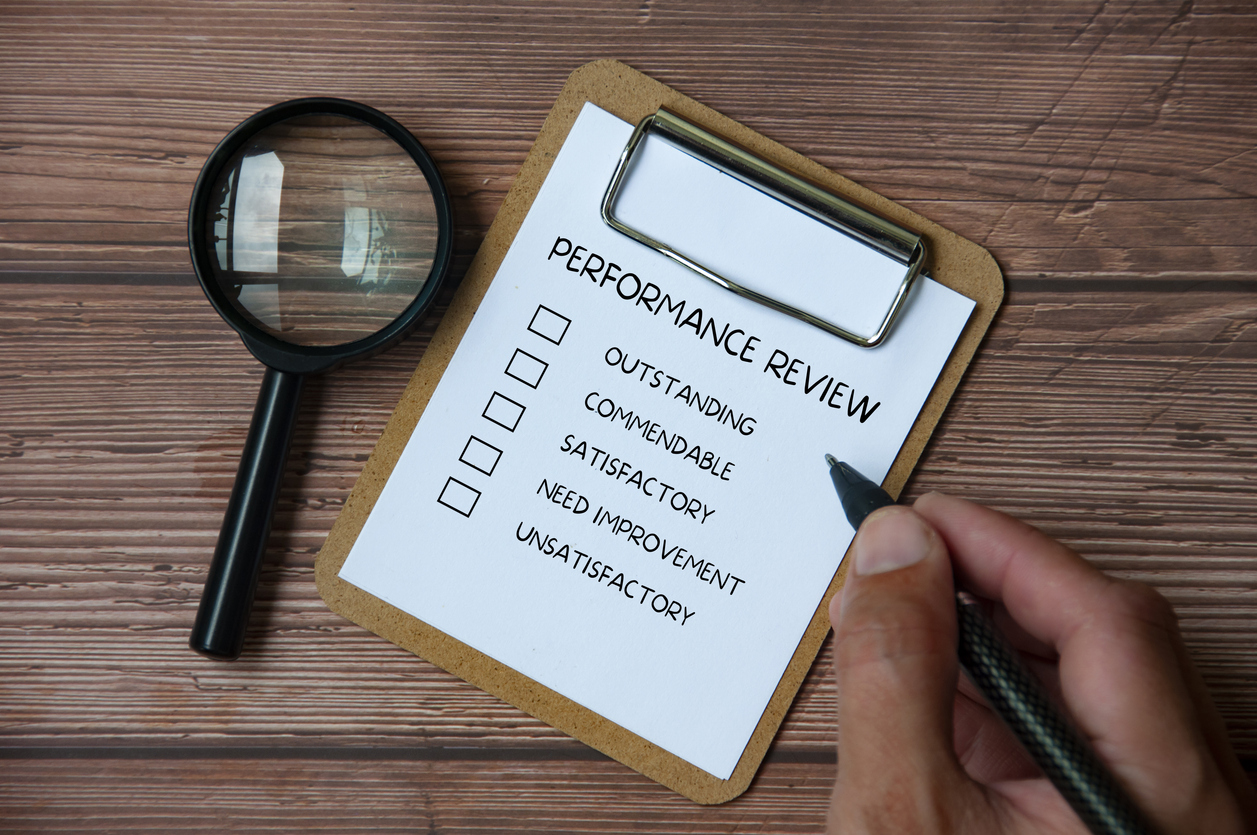
Why Performance Reviews Still Matter
Performance reviews often get a bad reputation. Many employees see them as stressful or pointless. Many managers feel unsure about how to give honest feedback without causing tension.
But performance reviews matter. When handled correctly, they help people grow, stay motivated, and feel aligned with company goals. They also give managers a clear way to support their teams.
In this article, you’ll learn how to run effective performance reviews, how to give constructive feedback, and how to turn reviews into meaningful conversations instead of awkward meetings.
What Is an Effective Performance Review?
An effective performance review is a structured conversation about performance, goals, and development. It focuses on facts, not opinions, and on improvement, not blame.
A good review answers three basic questions:
- What is the employee doing well?
- Where can they improve?
- What support do they need to grow?
When reviews are clear and fair, employees leave the conversation knowing exactly where they stand and what comes next.
How Often Should Performance Reviews Be Conducted?
Annual reviews alone are no longer enough. Feedback works best when it’s ongoing.
Many companies now combine:
- Regular check-ins (monthly or quarterly)
- Mid-year reviews for course correction
- Annual reviews for reflection and planning
Frequent feedback reduces surprises and makes formal reviews feel more natural and less stressful.
How to Prepare for a Performance Review
Preparation is key. Walking into a review without clear examples or goals leads to vague feedback and frustration.
Before the meeting:
- Review the employee’s goals and past feedback
- Collect specific examples of performance
- Ask the employee to prepare a self-assessment
- Define the purpose of the conversation
Preparation shows respect for the employee’s time and effort.
How to Give Constructive Feedback That Actually Helps
Constructive feedback should guide, not discourage. The goal is improvement, not criticism.
Effective feedback is:
- Specific: Focus on clear behaviors, not personality
- Balanced: Highlight strengths as well as areas to improve
- Actionable: Explain what “better” looks like
- Timely: Don’t wait months to address issues
Instead of saying, “You need to communicate better,” say, “Sharing weekly updates would help the team stay aligned.”
How to Handle Difficult Performance Conversations
Some reviews are harder than others. When performance is below expectations, honesty matters—but so does empathy.
To manage tough conversations:
- Stay calm and factual
- Focus on behavior, not intent
- Listen actively and ask questions
- Agree on clear next steps
The goal is not to “win” the conversation. It’s to help the employee improve while maintaining trust.
How to Turn Reviews Into Growth Opportunities
Performance reviews should lead somewhere. Without follow-up, feedback loses its value.
After the review:
- Set clear goals and timelines
- Offer training or mentoring if needed
- Schedule follow-up check-ins
- Track progress over time
When employees see that feedback leads to real support, they take reviews more seriously.
Common Performance Review Mistakes to Avoid
Even experienced managers make mistakes during reviews. Watch out for these common issues:
- Being too vague or generic
- Focusing only on recent events
- Avoiding difficult feedback
- Talking more than listening
- Treating reviews as a formality
A review should feel like a conversation, not a checklist.
Making Performance Reviews Work for Everyone
Performance reviews don’t have to be uncomfortable or unproductive. When done with clarity and care, they become one of the most valuable tools for employee development.
Clear expectations, honest feedback, and regular follow-ups turn reviews into moments of alignment and growth. Employees feel supported, and managers gain stronger, more engaged teams.
Start simple. Focus on clear communication and real examples. Over time, performance reviews can become a natural and helpful part of how your organization grows.