The Impact of Employee Recognition Programs on Motivation
Why Recognition Matters More Than Ever
People want to feel valued. When their effort goes unnoticed, motivation fades fast. But when someone takes the time to recognize their work, it changes everything. Recognition builds trust and keeps people connected to their purpose.
In today’s workplace, where remote and hybrid teams are common, appreciation can’t be an afterthought. By the end of this article, you’ll understand how recognition drives motivation, what makes a program successful, and how you can start building one that really works.
What Is an Employee Recognition Program?
An employee recognition program is a structured way to acknowledge people for their contributions. It can be as simple as a thank-you note or as formal as a company-wide award.
The goal is to reinforce the behaviors that matter—like teamwork, innovation, or reliability. When recognition aligns with company values, it becomes a powerful tool for culture building.
Recognition can take many forms:
- Peer-to-peer recognition: Colleagues celebrating each other’s wins.
- Manager-driven recognition: Leaders highlighting achievements.
- Company-wide recognition: Publicly sharing stories of success.
How Does Recognition Influence Motivation?
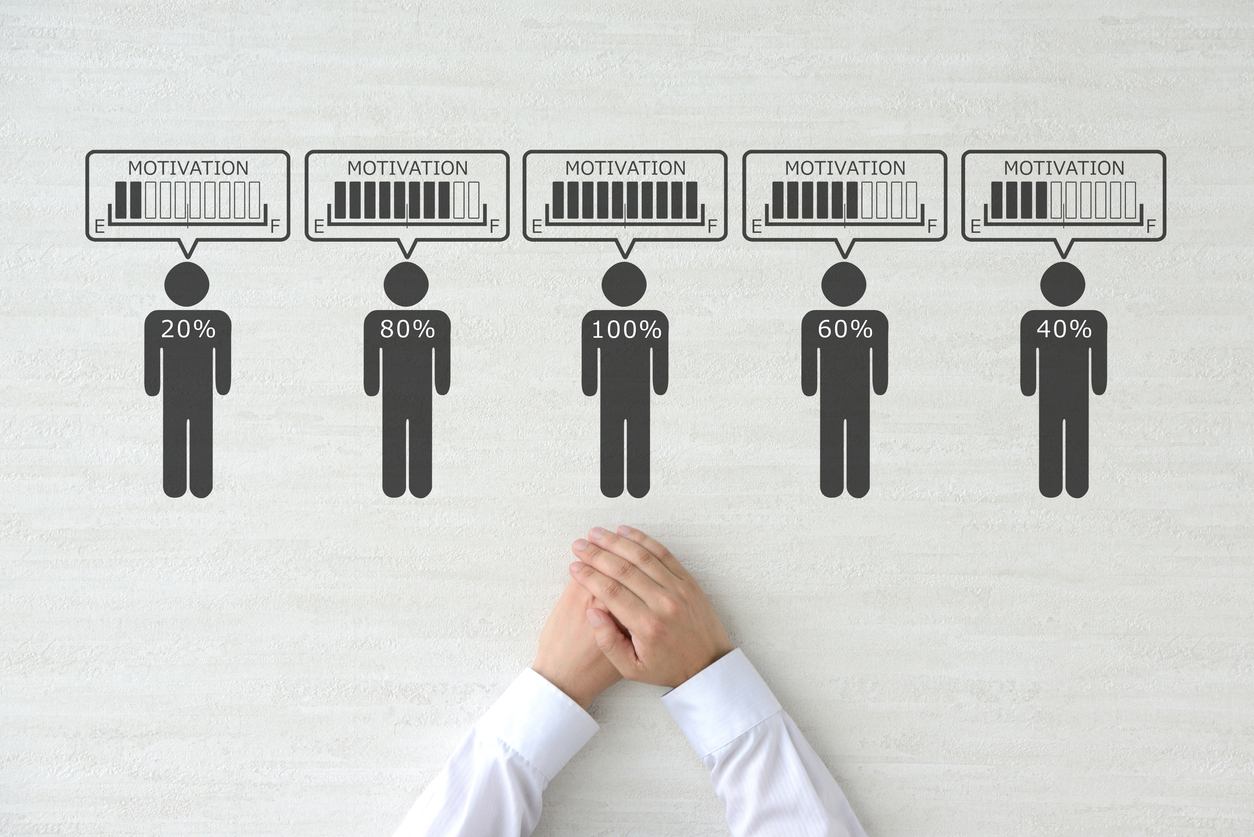
Motivation is deeply tied to feeling appreciated. Studies show that recognition directly impacts engagement, job satisfaction, and productivity.
When employees know their effort is seen, they’re more likely to repeat it. They also take more initiative, feel more confident, and build stronger connections with their teams.
The psychology is simple: acknowledgment triggers a sense of belonging. And belonging drives people to perform their best—not because they have to, but because they want to.
What Are the Benefits of Employee Recognition Programs?
Recognition creates ripple effects across the organization:
- Higher engagement: People stay emotionally invested when they feel valued.
- Better retention: Employees are less likely to leave when their work is appreciated.
- Improved performance: Recognition encourages consistent effort and creativity.
- Stronger culture: Shared appreciation builds unity and trust.
It’s not about rewards or money—it’s about meaning. A few words of genuine gratitude can do more than a bonus if they connect with someone’s sense of purpose.
What Makes a Recognition Program Effective?
The best recognition programs share a few core traits:
- Authenticity: Recognition should be real, not routine. Forced praise feels empty.
- Timeliness: Appreciate people when the effort is fresh in their minds.
- Consistency: Make recognition a habit, not a one-off initiative.
- Inclusivity: Every department, level, and background should be represented.
- Alignment: Tie recognition to company goals and values.
The programs that fail are often those that focus only on metrics or overlook smaller wins. Everyday effort deserves attention too.
How Can You Build a Strong Recognition Culture?
Recognition works best when it becomes part of daily communication. Here’s how to get started:
- Lead by example. Leaders should model the behavior they expect from others.
- Create simple systems. Use tools that make it easy to send quick notes or shoutouts.
- Celebrate publicly, reward privately. Public acknowledgment builds morale, while private appreciation strengthens relationships.
- Collect feedback. Ask employees how they want to be recognized.
- Track progress. Monitor engagement levels and adjust programs as needed.
Common Mistakes to Avoid
Even well-meaning programs can backfire if not handled carefully. Avoid these pitfalls:
- Recognizing only top performers while ignoring steady contributors.
- Making recognition too formal or infrequent.
- Tying appreciation too closely to rewards instead of genuine gratitude.
Recognition should never feel transactional—it’s about connection, not compensation.
Turning Recognition Into Motivation
Employee recognition is one of the simplest ways to build motivation—and one of the most overlooked. When people feel seen, they give their best. When they’re ignored, they disengage. The strongest workplaces are those that make appreciation part of everyday life. Whether through a message, a meeting shoutout, or a team-wide celebration, every acknowledgment adds up.
If you want to create a culture where people are excited to contribute, start with recognition. Show your team that their work matters, and motivation will follow naturally.